

The Restoration Process

Restoration is not just refinishing old wood, but a fine art that is passed down through generations. Expert restoration is a top-to-bottom, inside-and-out, no-shortcuts process that is truly a labor of love. I take great pride in this highly specialized and meticulous work, and am pleased to share the basics of my craft with you here.

If you have any questions or would like more details on the restoration process shown here, please feel free to call: 307.733.3779


The Frame


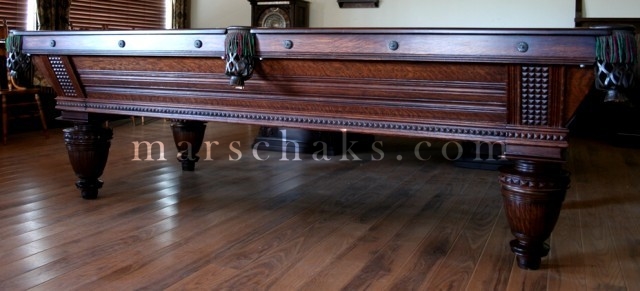
9' J.E. Came Boston 9' Maple inlayed, circa 1898

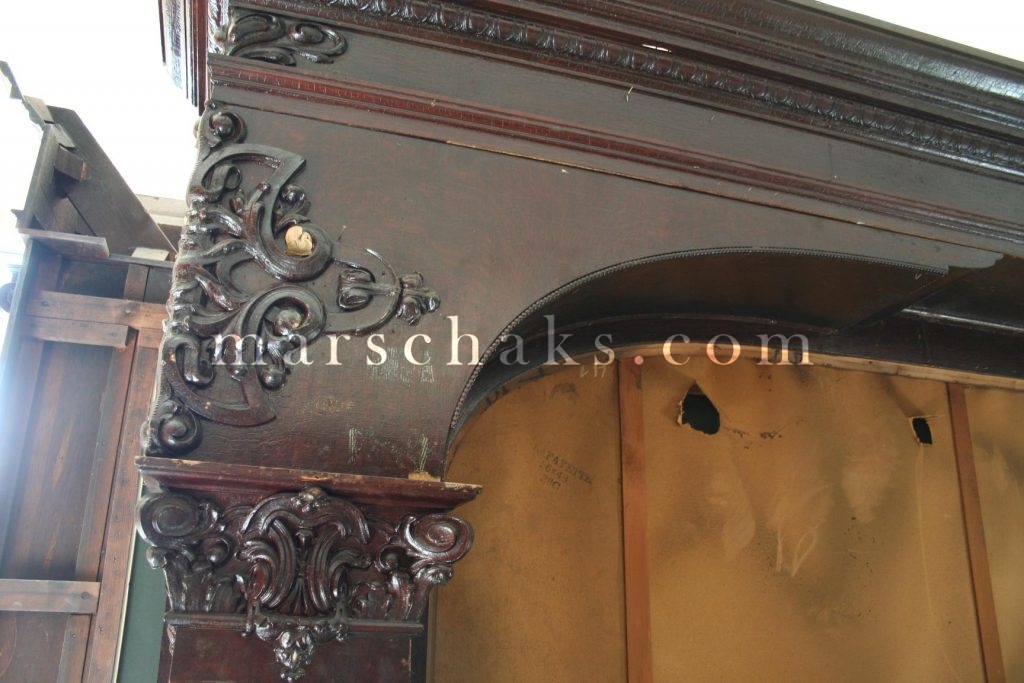
The frame of the table is stripped of its old finish, then any necessary repairs to the veneers and moldings are done. When repairing the veneer I use woods that match the originals. Matching woods from years past is a very difficult process.

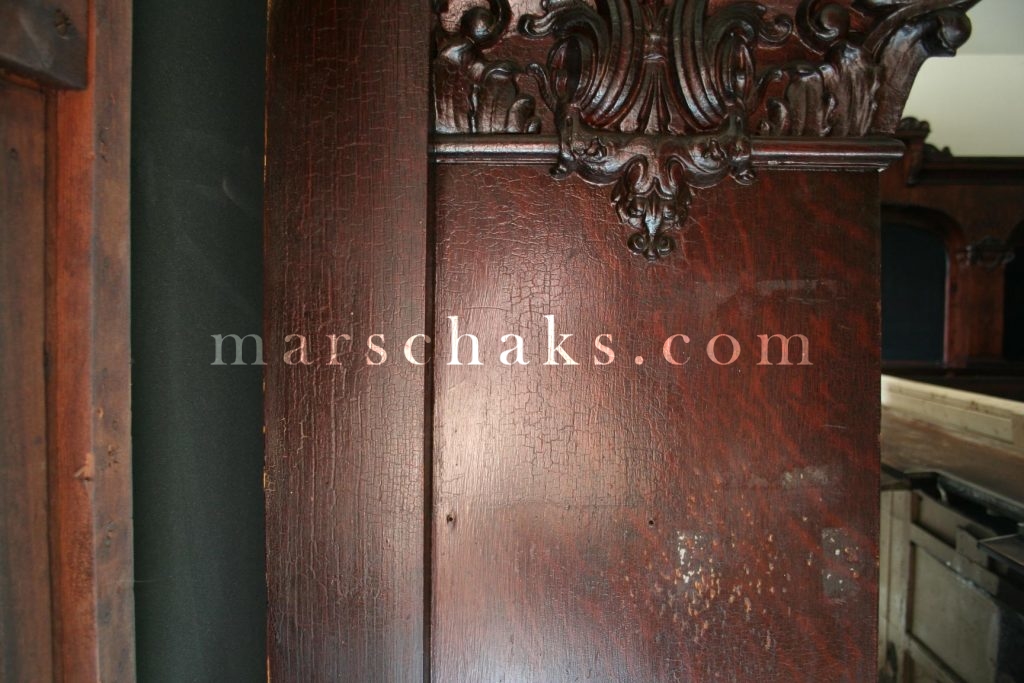
The frame is then sanded with 220-grit paper and stained with dye-base stains to obtain the original factory shade and color. These dye-based stains, as originally used, are optimal for a stable color and do not break down under ultra violet rays.

All tables then receive a hand-rubbed, semi-gloss lacquer finish.


The Frame Interior


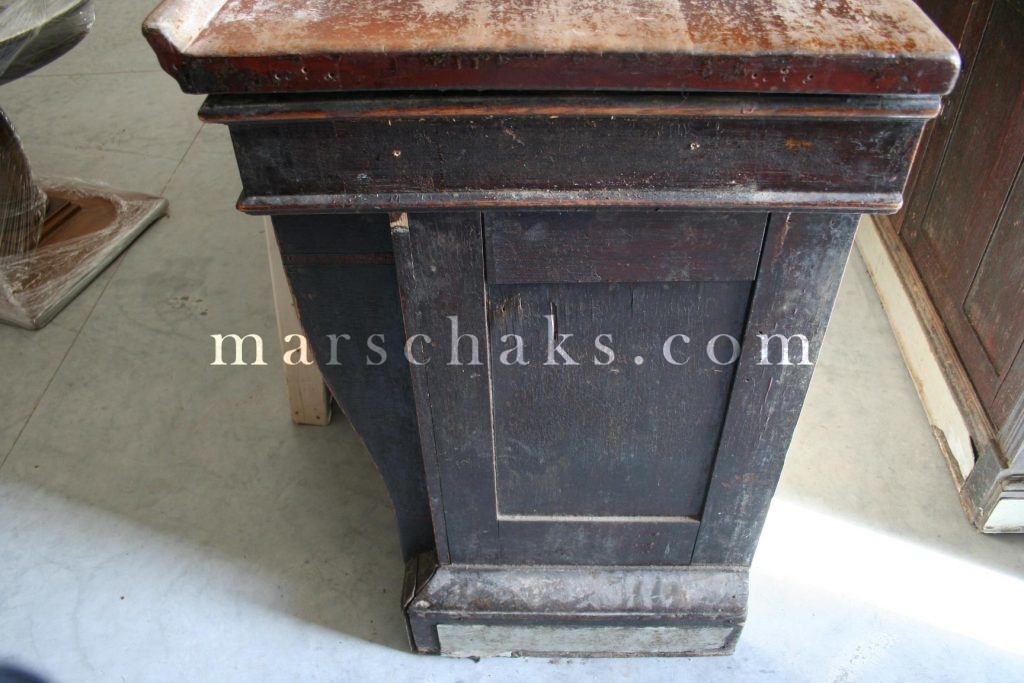
The interior of the frame is painted to the original color for the period. 1880s tables were black prior to rust color in the 1890s and early 1900s. The Saratoga model below is an 1890s design.

9' Saratoga Restoration - Interior Shot

Rails


8' Amaranth Ash Burl

Rosewood, ivory sights, and rail liners are replaced on almost every table I restore. The rail tops are veneered with Brazilian rosewood as originally used, then ivory is cut for sights as originally placed in the factory.


Rail Liners


Rail Finished

Rail liners are the milled strips on the inside of the rails that the cushions are glued to. Over the years, tacks, staples and play deteriorate and often loosen the liners. When loose, they must be replaced for proper play.

I compound miter the liners to Billiard Congress of America specifications, then apply Brunswick Superspeed cushions and facings, which are covered with Simonis #860 Belgium cloth.


Bolt Covers


I offer bright brass on the more elaborate inlayed tables, as well as acid-tarnished, hand-polished covers, which many prefer for carved tables and simpler designs. Feel free to specify when ordering.


Pockets

Slates

Pockets are replaced maintaining the original pocket irons, which I re-plate in nickel as originally produced. When the original irons are missing, I replace them with recasts of the proper vintage iron for the tables.

The slates are checked for stripped barrel nuts, which are replaced as necessary. These are the nuts that secure the rails in place.

Then the slates are secured to their frames, pocket drops repaired or replaced, and any scratches to the slates are filled. If necessary, the slates are resurfaced to ensure perfect play.


Assembly and Photographs


Finally, the table is assembled and photographed in the shop for customer approval prior to delivery.


Delivery and Set-up


All tables are blanket wrapped, delivered, and set up personally by Lou Marschak.


Finished Oak and Mahogany Examples


Not all finishes are the same. With dye-based stains and my years of experience, I bring out the depth and contrast in the grain. This process brings back to life the wood's natural beauty. On the right is an example of my dyed finish with lacquer, compared to oil stain with lacquer, below.

Oak sample with our dye-based stain

Note the depth and color from the use of dye-based stains on the sample above right. The Oak example at right was done in oil stain. Both have the same wood type and grain, but with a completely different effect.

Dyed Mahogany (below left) exposes the wood's beauty as opposed to oil-based stains (below right).
Both have the same lacquered finishes on Mahogany, but with different stains.


Some marriages are made in heaven, others in garages and work shops—What not to do!

A "marriage" in the antiques business is when a piece of an collectible is missing, but rather than properly replacing it, a piece from another item is used. Whether it is a chest of drawers, a tractor, or a pool table, you end up with two incompatible halves, often with incorrect wood types, wrong style, period or vintage. Of all the tables I've looked at, many were missing legs, slates, rails or have had pieces poorly replaced over the years.

Don't spend your money on one of these tables! When you buy  a table, stay away from "marriages" and other appliqués that are used to enhance appearance. Stick with what was original to the table and you will have a piece of art and history that is really valuable.

Terms of Sale:

50% down with the balance due on delivery. For orders on tables yet to be restored the terms are the same with the option to cancel the order upon completion of the restoration for any reason.


Add This Feed Button

XML Sitemap
HTML Sitemap
URL List

Call Lou Marschak, 8 am to 6 pm MST
307.733.3779
Email: marschak@wyoming.com
PO Box 1201 Dubois, WY 82513
Visit our showroom at 1420 Warm Springs Drive
Dubois, Wyoming 82513

Bullet

Jackson Hole, Wyoming

Bullet

Yellowstone National Park